
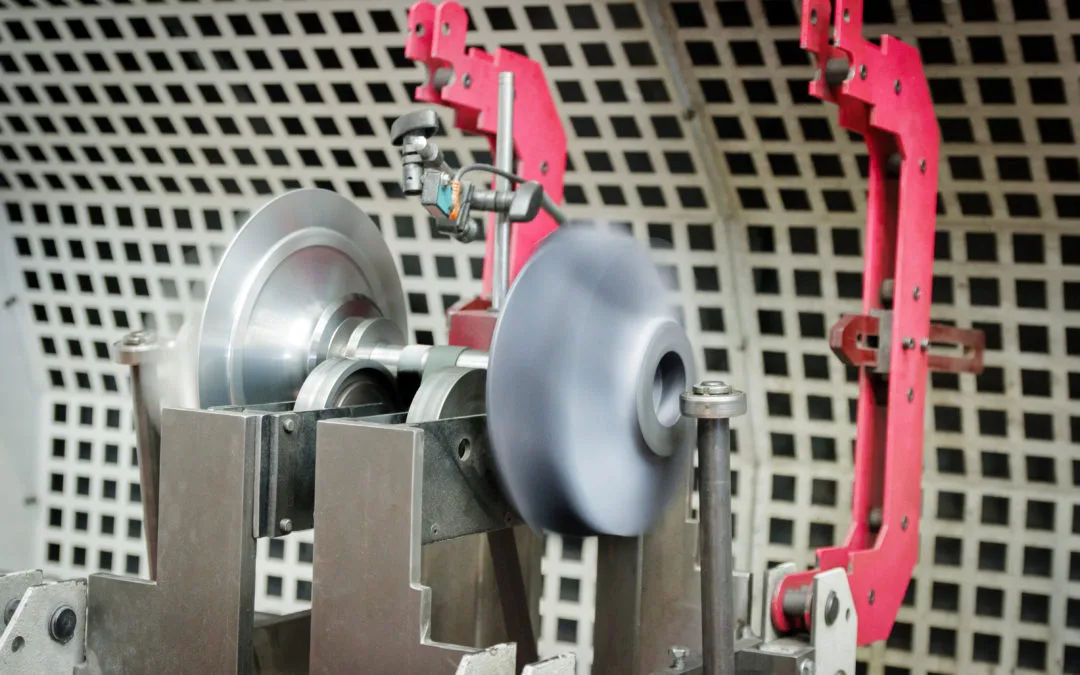
What do we mean by “balancing” a rotor?
Rotor balancing: why it matters. Put simply, balancing a rotor means ensuring its mass is evenly distributed around the axis of rotation. That way, when the assembly spins at high rpm, it won’t “pull” to one side or generate excessive centrifugal forces. In marine turbochargers, drivetrain systems, or cogeneration plants, this is critical because we’re dealing with very demanding speeds and tolerances. Also, when the rotor is properly balanced, the whole system behaves in a more stable and predictable way.
Vibrations: the first warning sign something is off
When a rotor is out of balance, vibrations appear and get transmitted to bearings, housings, and couplings. Therefore, what starts as a “small” vibration ends up affecting critical components. Next, typical symptoms include higher bearing temperatures, abnormal noise, rubbing marks, and, in advanced cases, accelerated fatigue. As a result, the machine becomes less reliable and the risk of an unplanned shutdown increases.
Direct impact on marine turbochargers. Rotor balancing: why it matters
In a turbocharger, the rotating assembly (shaft, compressor wheel, and turbine wheel) spins at very high speeds. That’s why even a tiny imbalance can turn into a major issue. In addition, a poorly balanced rotor shortens bearing life and compromises seals, which can lead to oil leaks and performance loss. Likewise, the turbo stops operating at its optimal point and the engine feels it: slower response, higher fuel consumption, and more emissions.
Efficiency and fuel use: what you notice in day-to-day operation
Balancing doesn’t just prevent failures; it also improves efficiency. In fact, when the rotor runs smoothly, friction losses drop and bearing supports remain more stable. As a result, the unit holds performance for more hours with fewer deviations. On the other hand, if you operate with vibration, the system drifts sooner and forces parameter corrections, increasing fuel use and reducing availability.
When should you balance? Key signals and best times. Rotor balancing: why it matters
There are times when balancing isn’t optional. For example, after replacing bearings, changing wheels, repairing shafts, or machining components. In the same way, if trend monitoring shows vibration levels rising beyond normal, it’s best to act before damage escalates. Also, in well-planned preventive maintenance, balancing is a powerful way to extend equipment life and avoid surprises during peak season or while at sea.
Conclusion: smart prevention and longer service life
In short, rotor balancing is one of those interventions you don’t “see” until it’s missing. However, when it’s done properly, you notice it in reliability, performance, and operational peace of mind. Therefore, investing in balancing means fewer stops, less wear, and more efficient operation. And ultimately, in sectors where every hour counts—marine, rail, and cogeneration—balancing is a key part of professional maintenance.