
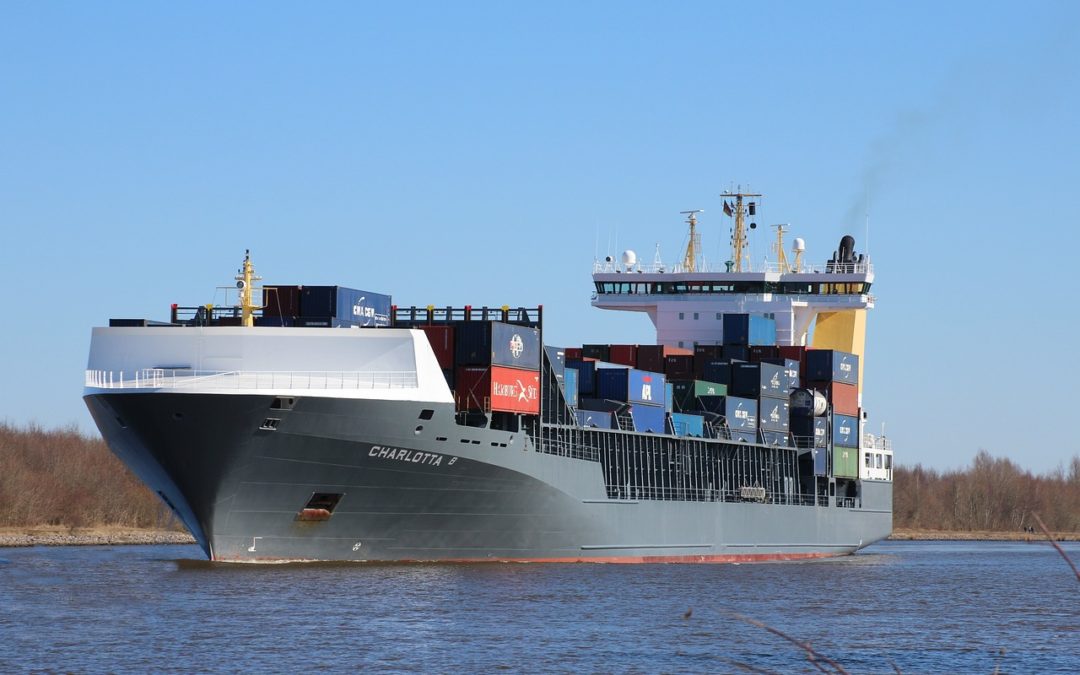
In the maritime environment—where every mile matters and downtime can lead to million-dollar losses—preventive maintenance of turbochargers is not an expense: it is a strategic investment.
The Heart of Marine Performance
The turbocharger is a key component in marine diesel engines. Its role is to increase the pressure of the air entering the cylinders, enhancing combustion and optimizing engine power. Without a turbocharger in optimal condition, fuel consumption rises, emissions increase, and overall vessel performance is compromised.
What Is Preventive Maintenance?
Unlike corrective maintenance, which reacts to failures, preventive maintenance anticipates them. It involves scheduled inspections, cleanings, adjustments, and component replacements based on running hours or operating conditions.
In marine turbochargers, this includes:
-
Inspection of bearings and seals.
-
Cleaning of rotors and diffusers.
-
Verification of critical tolerances.
-
Replacement of worn components.
-
Vibration and leakage analysis.
What Happens If It’s Neglected?
Lack of maintenance can lead to:
-
Loss of pressure and power.
-
Increased combustion chamber temperatures.
-
Accelerated engine wear.
-
Risk of complete system shutdown at sea.
-
Much higher repair and replacement costs.
Benefits of Preventive Maintenance
-
Operational reliability: fewer failures, more confidence.
-
Energy efficiency: reduced fuel consumption.
-
Regulatory compliance: MARPOL-compliant emissions.
-
Extended equipment life: guaranteed return on investment.
-
Planned downtimes: no surprises mid-voyage.
Investing in preventive maintenance of marine turbochargers is key to maintaining competitiveness in the maritime industry. In a context where efficiency, sustainability, and availability are essential, anticipating problems is synonymous with navigating smart.
Marine turbocharger service — in port, on board or in the workshop →