
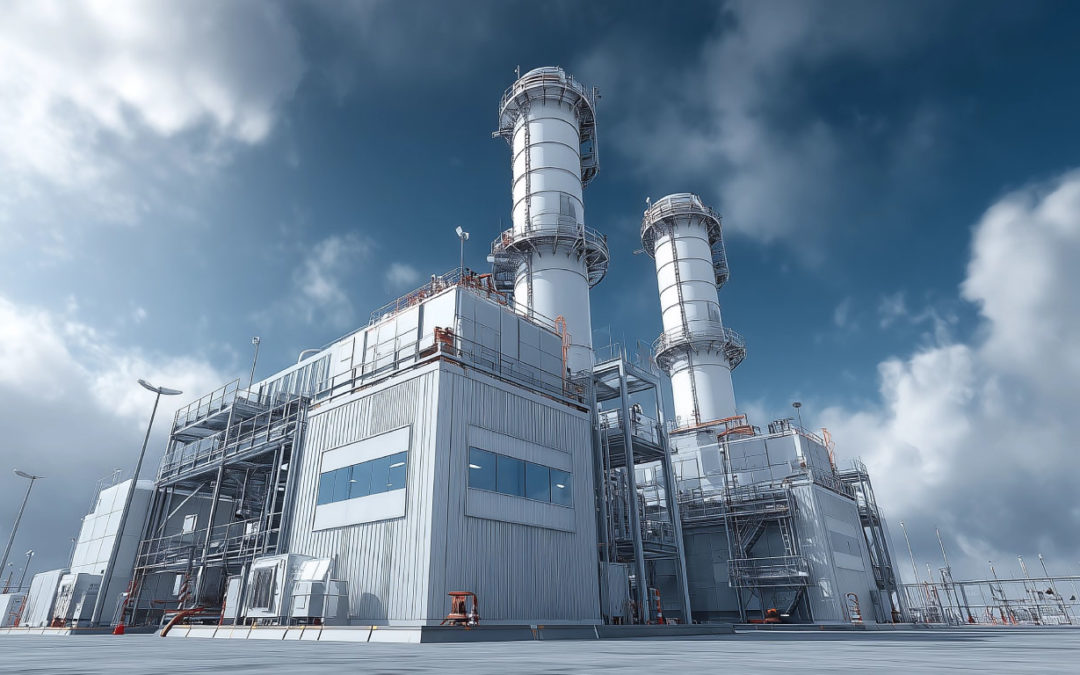
Turbochargers in cogeneration plants: key insights
Turbochargers in cogeneration plants are the mechanical heart of any efficient CHP installation. If you manage an energy facility, understanding their operation determines your real profitability. Let me walk you through the technical keys that mark the difference between a productive asset and an operational loss.
Strategic role of the turbocharger in cogeneration
In a CHP plant, the turbocharger boosts the prime mover with compressed air. Therefore, it increases mixture density and improves combustion. Furthermore, it raises electrical efficiency by up to 12% compared to naturally aspirated engines.
Did you know that modern cogeneration plants reach combined efficiencies of 85-90% precisely thanks to these components?
Types of turbochargers for industrial cogeneration
The market offers various configurations depending on power output and fuel used. Likewise, each manufacturer adapts its ranges to specific engines.
The most widespread solutions in European CHP plants include:
- ABB A100 axial turbos for outputs above 5 MW.
- MAN ES TCR radial units for medium ranges.
- Two-stage systems for high electrical efficiency.
- Mitsubishi MET-MA turbos for gas engines.
- Hybrid configurations with electric assistance.
Similarly, it is essential to verify compatibility with the LHV of biogas or natural gas used.
Key operating parameters
Turbochargers in cogeneration plants work under continuous extreme conditions. Consequently, their operating parameters require constant monitoring.
Exhaust gas temperature should not exceed 650°C in continuous operation. However, boost pressure ranges between 3 and 4.5 absolute bar. On the other hand, rotor speed easily reaches 25,000 rpm.
Preventive maintenance: your best investment
A well-planned maintenance strategy multiplies the real availability of the equipment. For this reason, always anticipate predictable failures.
Schedule intermediate inspections every 6,000 hours and full overhauls every 24,000 hours. Likewise, monitor vibrations, temperatures and oil consumption in real time. Similarly, analyse lubricant oil quality on a monthly basis.
Common failures and how to prevent them
Detecting symptoms early prevents costly unplanned shutdowns. Lastly, remember that a major failure can immobilise the plant for several weeks.
The most frequent failures are bearing wear, rotor fatigue and intercooler clogging. However, proper intake air filtering drastically reduces these issues. In short, prevention costs less than emergency repair.
Turbochargers in cogeneration plants. Energy efficiency and European regulations
Turbochargers in modern cogeneration plants comply with strict environmental standards. Furthermore, they directly contribute to reducing CO₂ and NOx emissions.
European Directive 2012/27/EU requires certified minimum efficiencies in CHP installations. Therefore, choosing latest-generation turbochargers ensures regulatory compliance and associated tax incentives.
Do you need to optimise the turbochargers in cogeneration plants at your facility? Contact us today and request your personalised quote with no obligation. Our technical team responds within 24 hours with a tailored proposal.